


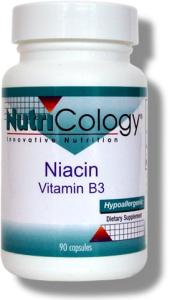
Allergy Research Group - NutriCology -Niacin, Vitamin B3 (90 Vcaps)
Niacin is involved in the production of energy, detoxification and the normal regulation of blood sugar and cholesterol.
Suggested Use: As a dietary supplement, 1 capsule two or three times daily with meals, or as directed by a healthcare practitioner.
WARNING: Niacin can cause skin flushing and tingling (the "niacin flush"). Do not take large amounts of niacin (greater than 1.5 grams per day) without first consulting a healthcare practitioner.
|
Other ingredients: Hydroxypropyl methylcellulose, cellulose, L-leucine.
This nutrient is of the highest quality and purity obtainable, is free of all common allergens (antigens), and does not contain preservatives, diluents, or artificial additives.
By
-
Flag
Comments? Question?
Updated Oct. 25, 2016,
about 9 years ago
UPC: 713947503601
Distributed or manufactured from NutriCology. See more NutriCology products.
*Not intended to diagnose or treat diseases or ailments, and is not reviewed by the FDA.
Uses & Indications.- Boost Energy
- Detoxification
- Maintain Normal Regulation Of Blood Sugar & Cholesterol
Compare to these:

Questions and answers:
Question: Can buy naicin tablets in sri lanka?
- This questions has not been answered yet. Be the first one!
 Publish your shopping cart to facebook and get free shipping in U.S.